Watercolor Cute Bee Clipart
As an embroidery designer and product reviewer, I’ve evaluated countless designs for real-world use. Watercolor Cute Bee Clipart stands out as a versatile and charming option, but its success depends on how it’s applied. Let me walk through my thought process on how this design performs in practical embroidery projects and what to consider before using or selling it.
The First Impression
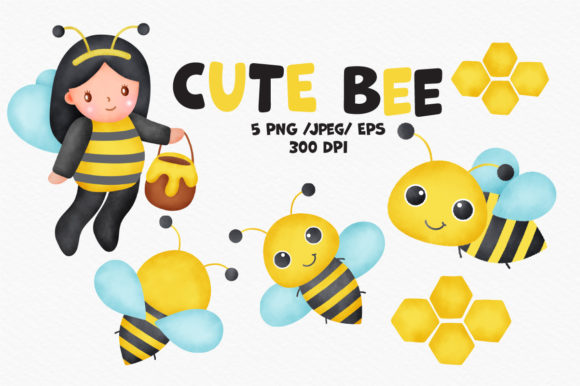
Watercolor Cute Bee Clipart immediately evokes a soft, whimsical mood. The design has a gentle, hand-drawn aesthetic that feels both modern and nostalgic. Its layout is balanced, with the bee centered and surrounded by subtle watercolor textures. The level of detail is moderate—enough to be visually engaging without being overwhelming. This makes it ideal for projects that aim to feel handmade and personal rather than overly technical.
The visual personality of the design leans toward playful and approachable, which aligns well with baby items, children’s clothing, and gifts for nature lovers. It’s not the kind of design you’d use for something industrial or high-fashion—it’s more suited for cozy, everyday items that make people smile.
Real-Life Embroidery Use Cases
When considering where to place Watercolor Cute Bee Clipart, think about projects that benefit from a light, decorative touch. A custom embroidered tote bag, for example, could feature the bee on the front as a subtle accent. On a sweatshirt, it might work well as a small patch or a single element in a larger composition.
This design also shines on baby items like onesies, blankets, and bibs. The soft lines and gentle colors make it safe for delicate fabrics and young children. For a holiday gift, adding the bee to a pillow cover or tea towel could give a personalized, thoughtful touch that customers would appreciate.
As a digital product, Watercolor Cute Bee Clipart could be used in printable mockups or as part of a collection for Etsy sellers. It’s perfect for small shop merchandise, especially if the brand has a rustic or vintage vibe.
Where to Be Cautious
While Watercolor Cute Bee Clipart is visually appealing, there are scenarios where it may not perform as well. On small hoop sizes, the design’s details can become too cramped, leading to less clarity in the final stitch. If you’re working with textured fabrics, such as denim or canvas, the design might not sit as smoothly as it would on a smooth cotton or polyester blend.
Thin or stretchy fabrics can also pose challenges. The bee’s shape might distort slightly if not properly stabilized. Dark fabrics may require a different thread color to ensure visibility, and layered garments could cause the design to look less defined if not positioned correctly.
For curved surfaces like caps or hoods, the design’s layout may need slight adjustments to fit the curve without distortion. Tiny lettering or dense stitch areas could be problematic if the design isn’t optimized for those elements.
Impact on Visual Appeal and Customer Perception
Watercolor Cute Bee Clipart adds a sense of charm and individuality to any project. When stitched well, it enhances the visual appeal of a handmade product, making it more attractive to buyers looking for unique, personalized items. However, poor execution—such as incorrect thread colors or improper stabilizer use—can detract from the overall quality.
Customers often associate well-executed embroidery with professionalism and care. A clean, clear stitch of the bee can boost customer trust and increase the perceived value of a finished product. This is especially important for small business owners and Etsy sellers who rely on positive reviews and repeat customers.
Practical Designer Notes
Before using Watercolor Cute Bee Clipart in a project, always test it on scrap fabric. This helps you see how the design translates in real life and whether any adjustments are needed. Check thread color contrast—especially if you plan to use the design on dark or light backgrounds.
Review the stitch density to ensure it’s suitable for your fabric type. Confirm the hoop size required and make sure your machine can handle it. Inspect small details closely, as some elements may not stitch as expected if they’re too fine.
Test the design in black and white mockups to see how it looks without color. Compare it against both light and dark fabric backgrounds to determine the best application. Always use the right stabilizer for the fabric you’re working with, and check that the design works for both personal and commercial projects.
If you're planning to sell finished items or digital products, confirm the licensing terms before proceeding. This ensures you’re compliant and avoids any legal issues down the line.
Final Thoughts
Watercolor Cute Bee Clipart is a design that feels right at home in the world of handmade products and custom apparel. It’s not the most complex or detailed design, but its simplicity is its strength. When used thoughtfully, it can elevate a project and add a personal touch that resonates with customers.
As with any machine embroidery design, success depends on how well you understand the design’s strengths and limitations. By approaching it with care and attention, you’ll be able to create beautiful, professional-looking results that stand out in the market.