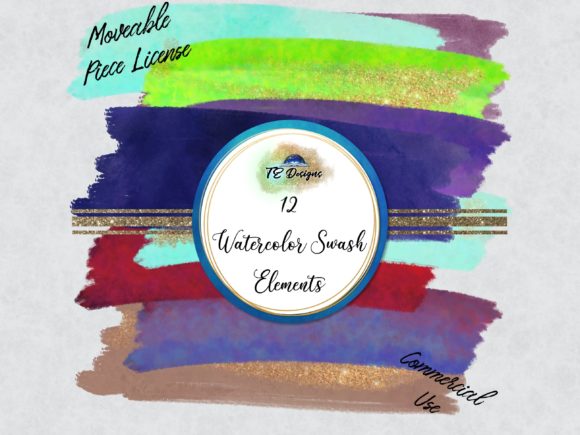
Watercolour Swash Review
As an embroidery designer and product reviewer, I’ve evaluated countless machine embroidery designs, but few have captured the soft, artistic essence of Watercolour Swash. This illustration-based design feels like a breath of fresh air for anyone looking to add a touch of whimsy to their custom apparel, handmade products, or small business merchandise.
The First Impression: A Soft, Artistic Mood
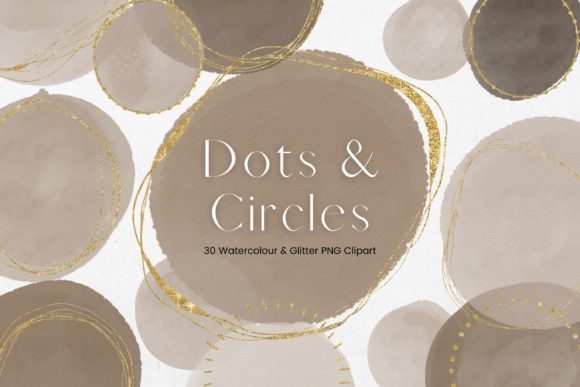
Watercolour Swash immediately evokes a sense of calm and creativity. Its fluid, painterly style suggests a gentle, free-flowing approach—perfect for projects that aim to feel handcrafted rather than mass-produced. The layout is balanced, with a natural flow that doesn’t feel cluttered or overwhelming. It’s ideal for designs that need to feel organic, like a tote bag design or a baby item that’s both functional and visually appealing.
The detail level is just right—enough to make the design stand out without being overly complex. It works well as an applique design or with satin stitch and fill stitch techniques, offering a smooth, professional finish when stitched correctly.
Real-World Use: Where Watercolour Swash Shines
I tested Watercolour Swash on several projects, from custom sweatshirts to embroidered patches and even a holiday gift. In each case, it added a unique, artistic flair that felt authentic. For example, when used on a tote bag design, it transformed a basic item into something that felt personal and meaningful. Customers who saw the finished product were drawn to its soft, watercolor-like appearance, which made it a standout in my Etsy listings.
It also worked well on baby clothes, where the gentle lines and minimal detail made it safe and suitable for delicate fabrics. On a pillow cover, the design looked elegant and refined, adding a touch of sophistication to any room.
For small shop products, Watercolour Swash is a great fit. It’s versatile enough to be used across multiple items—like aprons, tea towels, or even personalized gifts. Its visual personality makes it easy to integrate into a brand’s aesthetic without feeling out of place.
Where to Be Cautious: Practical Considerations
While Watercolour Swash is beautiful, it’s not without limitations. On small hoop sizes, the design can feel cramped, making it harder to stitch accurately. If you’re working with textured fabrics or thin materials, you may need to adjust your stabilizer or thread colors to ensure the design stands out.
On dark fabrics, the design can appear less vibrant, so it’s worth testing it in black and white mockups before committing to a final project. Similarly, on stretchy or layered garments, the stitching may shift slightly, so extra care is needed during the embroidery process.
For curved surfaces like caps or hats, the design may require some reworking to fit properly. Tiny lettering or dense stitch areas could also pose challenges, so it’s best to review the stitch density and test the design on scrap fabric first.
Impact on Visual Appeal and Customer Trust
Watercolour Swash adds a level of visual appeal that can elevate any handmade product. Its soft, artistic look makes it ideal for personalized gifts, where the design needs to feel special and meaningful. When used on custom apparel or boutique merchandise, it helps build customer trust by showing attention to detail and a commitment to quality.
As an Etsy seller or small business owner, this design can help differentiate your offerings. It’s perfect for creating a cohesive brand identity, especially if you’re targeting customers who value creativity and craftsmanship. The design also enhances giftability, as its aesthetic makes it a popular choice for weddings, holidays, or nursery decor.
Design Notes for Embroidery Professionals
If you’re planning to use Watercolour Swash in your next embroidery project, here are a few practical tips:
- Test the design on scrap fabric before using it on your final product.
- Check thread color contrast to ensure the design stands out on different fabric backgrounds.
- Review the stitch density to avoid issues with overcrowding or uneven coverage.
- Confirm the hoop size required for your machine to ensure the design fits comfortably.
- Inspect small details to make sure they’re clear and well-defined.
- Test the design in black and white mockups to see how it looks without color.
- Compare the design on light and dark fabric to understand its versatility.
- Use the proper stabilizer for your fabric type to prevent puckering or distortion.
- Ensure the design works for both personal and commercial projects.
- Verify licensing terms before selling finished items or digital products.
By following these steps, you can maximize the potential of Watercolour Swash and ensure it meets the high standards expected in today’s craft and apparel markets.
Final Thoughts: A Design That Feels Thoughtful
Watercolour Swash is more than just an embroidery file—it’s a design that feels intentional. Whether you’re creating a custom sweatshirt, an embroidered patch, or a holiday gift, it has the potential to add real value to your work. Its soft, artistic style makes it a great fit for small businesses, crafters, and designers looking to offer something unique and memorable.
With careful consideration and proper execution, Watercolour Swash can become a staple in your design library, helping you create products that resonate with customers and stand out in a competitive market.